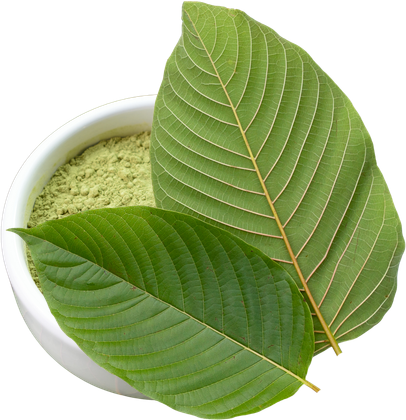
Kratom is a plant used in traditional medicine with naturally-occurring small amounts of 7-OH. It is:
- Not regulated by the FDA or DEA
- A stimulant at low doses
- A sedative at high doses
- Usually sold as dry leaves and powder
What is 7-OH?
7-OH (7-Hydroxymitragynine) is a compound found in kratom. When concentrated and sold by itself, it’s much stronger and more dangerous than kratom.
- The federal government is planning to classify 7-OH as a Schedule 1 drug, which means it:
- Has a high potential for abuse
- Has no accepted medical use
- Often sold as pills, gummies, tonics, and vapes
You can overdose on 7-OH.
- 7-OH works similarly to opioids like morphine, heroin, and fentanyl.
- Too much 7-OH can stop your breathing.
- 7-OH is 10 times more potent than morphine.
- 7-OH is not an approved treatment for opioid withdrawal or any other condition.
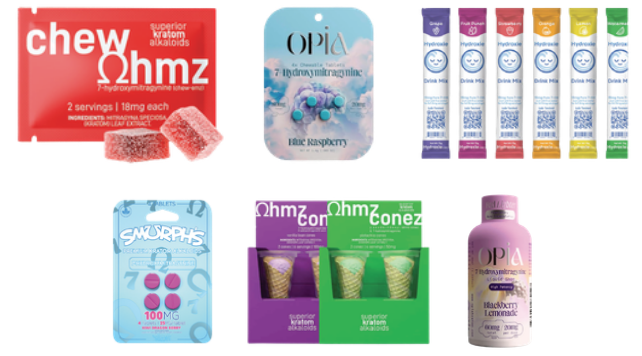
Note: These images are select illustrative examples and do not represent the full scope of 7-OH products on the market. Consumers should read packaging and labels carefully to determine whether a product contains 7-OH.
7-OH products aren’t FDA tested or monitored for safety. Which means:
- The strength of each product can be very different.
- Labels may be inaccurate.
- Products might have substances in them that are not listed.
Visit WAtelebupe.org or call 206-289-0287 for free opioid withdrawal resources and treatment options.
If someone won’t wake up after using 7-OH:
- Call 911.
- Give naloxone (Narcan).
- Follow 911 instructions until help arrives.
for non-emergency help, contact the Washington Poison Center:
Call: 1-800-222-1222
Text: 206-526-2121